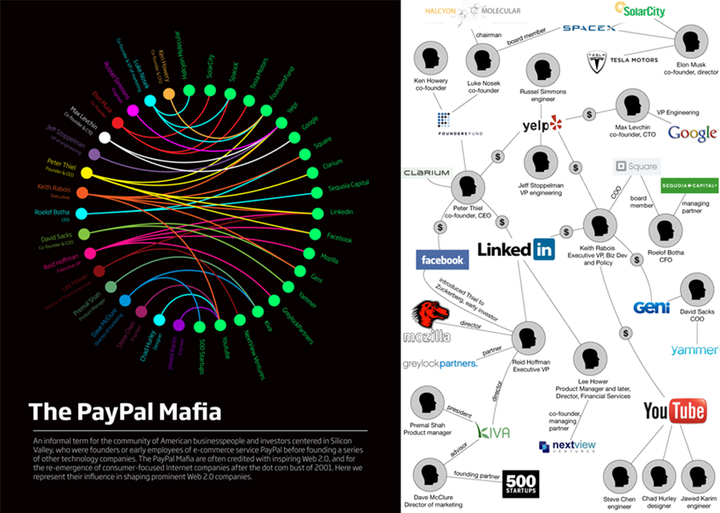
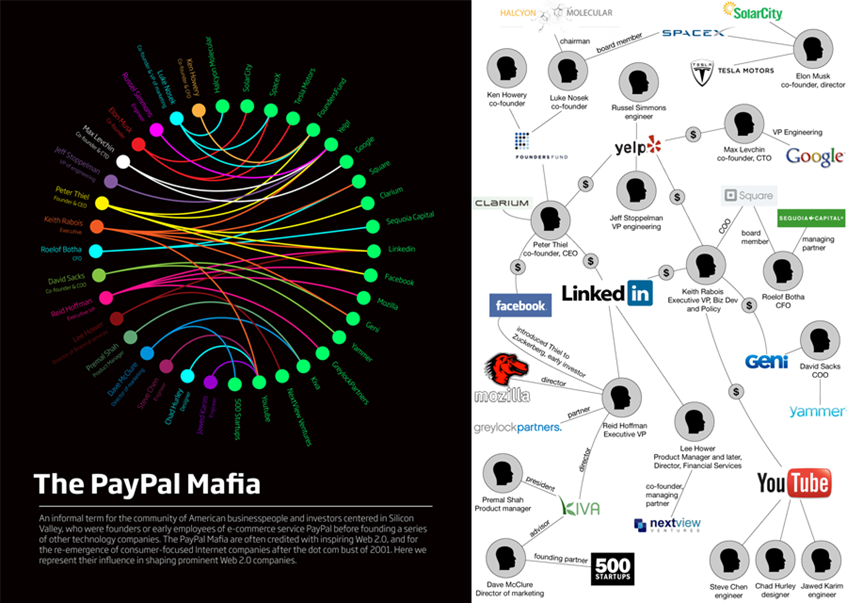
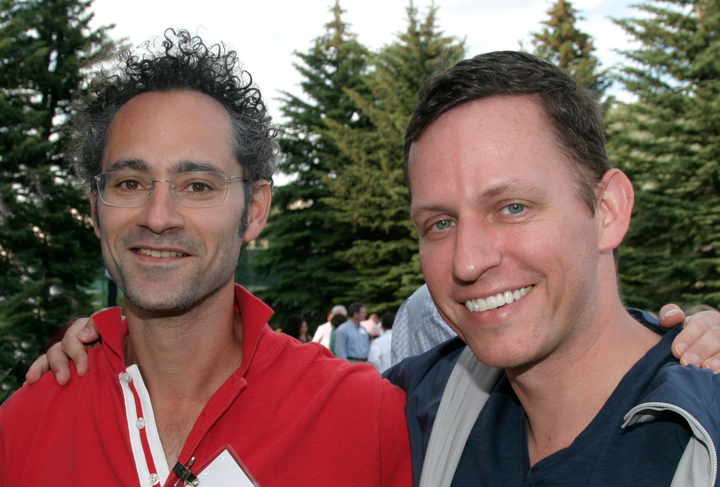
Peter Thiel,這位是奇葩的牛,自由穿梭於法律、金融、投資及創業之間。斯坦福本科及法學院JD的高材生,他畢業後給法官打過雜,給瑞士信貸銀行做過衍生品交易,然後還創立過一個二級市場的基金Clarium Capital。然後開始了九頭牛都拉不動的牛人生涯。在1998年創立Paypal。在2002年Paypal被eBay收購後,他華麗轉身,成為目前矽谷最火的投資人,投資的公司包括:Facebook、Asana、Quora、LinkedIn、Yelp、Yammer等。投資之餘,還在創立公司,Palantir和Founders Fund是其中的樣本間。前者成為當下最紅的大數據公司,而後者是當紅炸子雞(“基金”的雞)。除去Clarium Capital和Founders Fund這兩個基金,Thiel還成立了另外兩隻基金:專注於早期的Valar Ventures和專注於成長期的Mithril Capital Management。
Jürgen Habermas,德國當代最重要的哲學家之一,是西方馬克思主義法蘭克福學派第二代的中堅人物,由於思想龐雜而深刻,體系宏大而完備,哈貝馬斯被公認是“當代最有影響力的思想家”,威爾比把他稱作“當代的黑格爾”和“ 後工業革命的最偉大的哲學家” ,在西方學術界佔有舉足輕重的地位。(摘自百度百科)
In the four months since Gilead Sciences Inc. first received
emergency authorization for the experimental COVID-19 drug remdesivir,
its stock has done the opposite of what you would expect — it has
dropped 21%.
The decline is still evident even after the drug manufacturer received a new emergency-use authorization
from the Food and Drug Administration on Friday that broadens the
allowed use of remdesivir in patients who have been hospitalized with
moderate forms of COVID-19, not just the severely ill.
Shares of Gilead
GILD,
+1.45%
were up 1.9% near the close of trading on Monday.
Gilead’s stock hit a year-to-date high of $84 on April 30,
which was the day it released the first comprehensive set of clinical
trial data about how remdesivir performed in severely ill COVID-19
patients. The FDA awarded the EUA on May 1. (The stock’s low for the year was $62.63 on Jan. 21.)
One Wall Street analyst attributes the drop-off to market
skepticism around remdesivir’s staying power. Much of the excitement for
remdesivir and Gilead stems from the fact that the drug was the first
new COVID-19 treatment to receive an EUA during the early stages of the
public health crisis in the U.S.
“Its utility may be continually lessened going forward as
better therapies emerge,” Raymond James analyst Steven Seedhouse wrote
in an Aug. 27 email. “Dexamethasone and perhaps even convalescent plasma
already appear to be good alternatives to treat hospitalized patients.”
Researchers in the U.K. reported in mid-June
that the steroid dexamethasone can reduce the risk of death in COVID-19
patients, which is a far more definitive clinical finding than
remdesivir’s ability to reduce recovery times for some hospitalized
COVID-19 patients. The FDA last week granted an EUA to convalescent plasma as another new treatment for coronavirus patients.
“The data that were relied upon for emergency-use authorization
of remdesivir have never been followed in my view by any more
compelling data including any evidence that a bona fide survival benefit
is conferred by remdesivir,” Seedhouse added. “In fact it’s the
opposite, [and] there has been persistent skepticism backed by
data/analysis.”
Many but not all of the
so-called virus stocks — companies developing and in some cases selling
tests, treatments and supplies used in the treatment of COVID-19
patients — are outperforming standard indexes like the S&P 500
SPX,
+1.53%
and the Health Care Select Sector SPDR Fund
XLV,
+2.00%.
However, Gilead’s stock has struggled to maintain its momentum since April’s peak.
Looking at the last three months, Gilead’s stock is down 14.6%.
The S&P 500 has gained 15.8%, and the Health Care Select Sector
SPDR Fund is up 4.3%. Abbott Laboratories
ABT,
+2.71%,
which has received emergency authorization for six COVID-19 tests,
has watched its stock jump 15.2%. Shares of Moderna Inc.
MRNA,
+2.21%,
which is developing one of the front-running COVID-19 vaccine candidates, have rallied 4.9%. Johnson & Johnson’s stock
JNJ,
+1.52%
is up 3.3% over the last three months as it has moved forward with a vaccine candidate of its own.
However, shares of Pfizer Inc.
PFE,
+0.86%,
which is jointly developing COVID-19 vaccines with BioNTech
BNTX,
+7.23%,
are down 1.2%.
The teleconferencing company reported 92 cents a share
in earnings for its second quarter, well above the 45 cents a share
expected by analysts surveyed by FactSet. Sales of $663.5 million came
in above the $500.5 million anticipated.
The stock hit a record high on Monday, adding to a rally of more than 350% so far this year.
Mark Newton, founder of Newton Advisors, said recent strength has pushed the stock too far, too fast.
“It’s
been up over 35% just in the last three weeks, so it’s gotten
extraordinarily overbought, and it’s really been the same company, so as
to whether it’s justified to pay up now that it’s 35% higher is really a
tough call,” Newton told CNBC’s “Trading Nation” on Monday.
He
added that he likes the stock on an intermediate-term basis,
particularly as one of the beneficiaries of a shift to teleconferencing
during the pandemic. However, he needs to see it pull back to several
key levels before he would consider it a buy.
“Short term, you
know, it’s really a coin flip, and it’s really difficult to justify
buying the stock here if you haven’t currently owned, thinking that it’s
the right risk-reward. I would look at buying the stock in the weeks to
come if you pull back down to $275 or even down to $227 near August
lows, but being over $300, for me it’s just a poor risk-reward
technically,” he said.
Shares were trading just below $319 on Monday afternoon.
Michael Binger, president of Gradient Investments, said increasing competition in the space could put a halt to Zoom’s rapid expansion.
“Microsoft
Teams is the one that’s going to give a run for their money there,”
Binger said during the same “Trading Nation” segment. “Skype is getting
there, Google ... [Meet], Facebook is in play. But right now, Zoom does
really own the market here, and the competition is getting heavier, but I
think it’s still Zoom’s market to lose.”













 截至收盤,Zoom市值超過1290億美元,市值已經超過了IBM和AMD,躋身美國市值最高的20大科技公司之列。